An automatic feeder handles meals, but it doesn’t clean itself. Kibble leaves oils and crumbs behind, bowls get saliva and grime, and a tank that’s never emptied can hold stale food at the bottom. A simple routine keeps food fresh, prevents jams and keeps your pet’s bowl hygienic.
The quick answer
Wash the bowl often, ideally daily or every few days, and empty, wash and fully dry the food tank each time you refill or at least every couple of weeks. Wipe the chute and lid, never get the base or electronics wet, and always follow the care guide that came with your feeder.
Why cleaning matters
Dry food contains fats that coat surfaces over time. Crumbs collect in corners and the chute. Old kibble at the bottom of a tank goes stale while fresh food is poured on top. Regular cleaning keeps meals fresh and helps the dispenser work smoothly.
| What | How often | How |
|---|---|---|
| Bowl | Daily or every few days | Wash with warm soapy water, rinse and dry |
| Food tank | Each refill or every 1–2 weeks | Empty fully, wash, dry completely |
| Chute and lid | Weekly | Brush or wipe out crumbs and dust |
| Base and electronics | As needed | Wipe with a dry or barely damp cloth only |
Always follow your feeder’s care guide. Never put the base in water.
The bowl
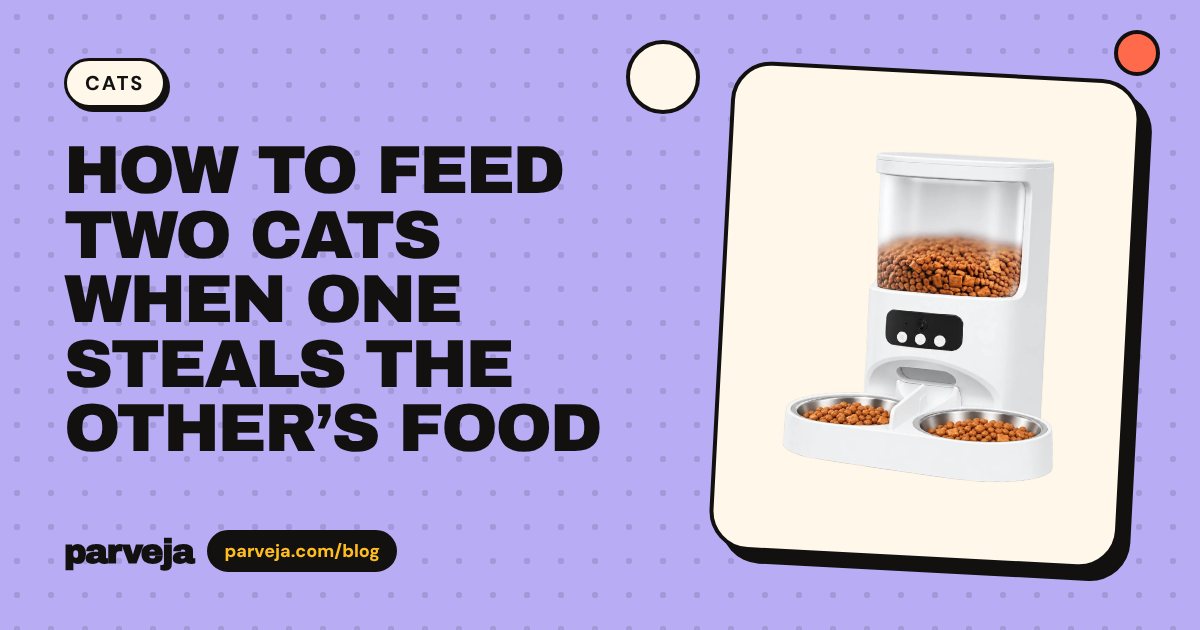
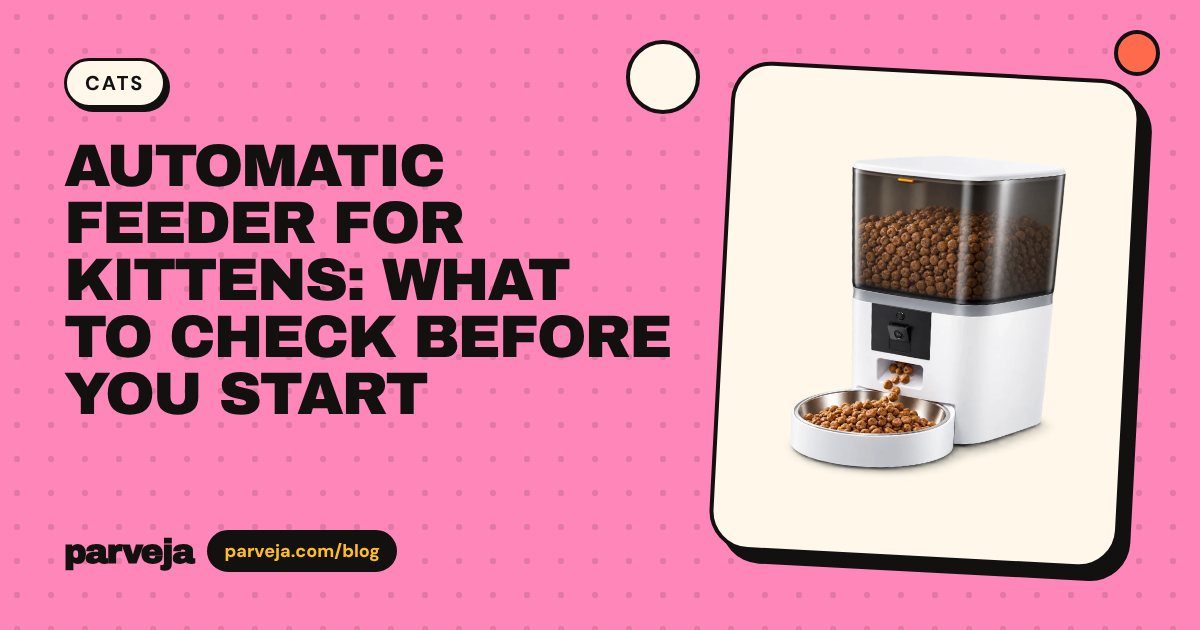
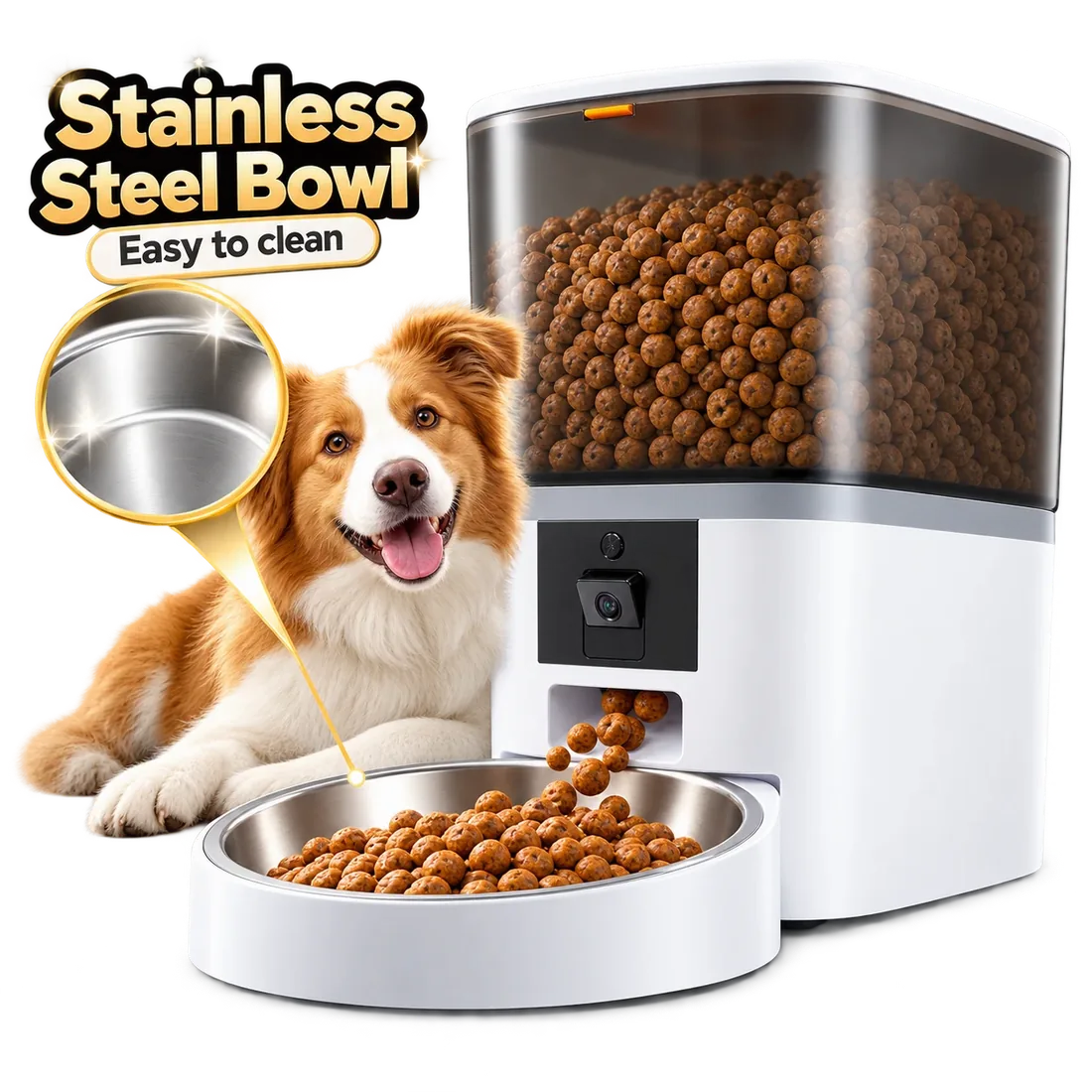
Stainless-steel bowls are easy to keep clean. Keeper’s stainless-steel bowl lifts out for washing, and Twin uses two stainless-steel bowls. Wash with warm soapy water, rinse well and dry before putting back.
The food tank
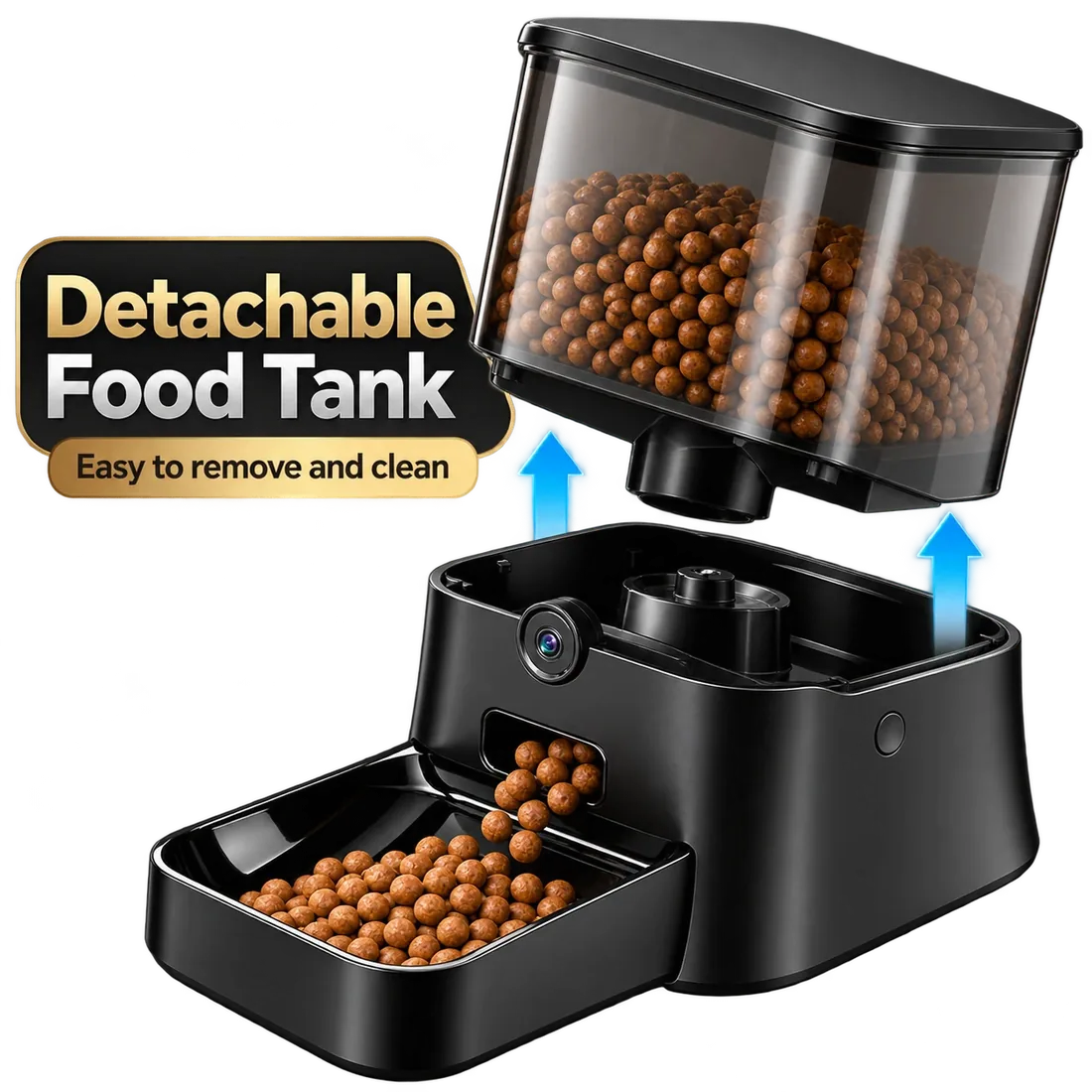
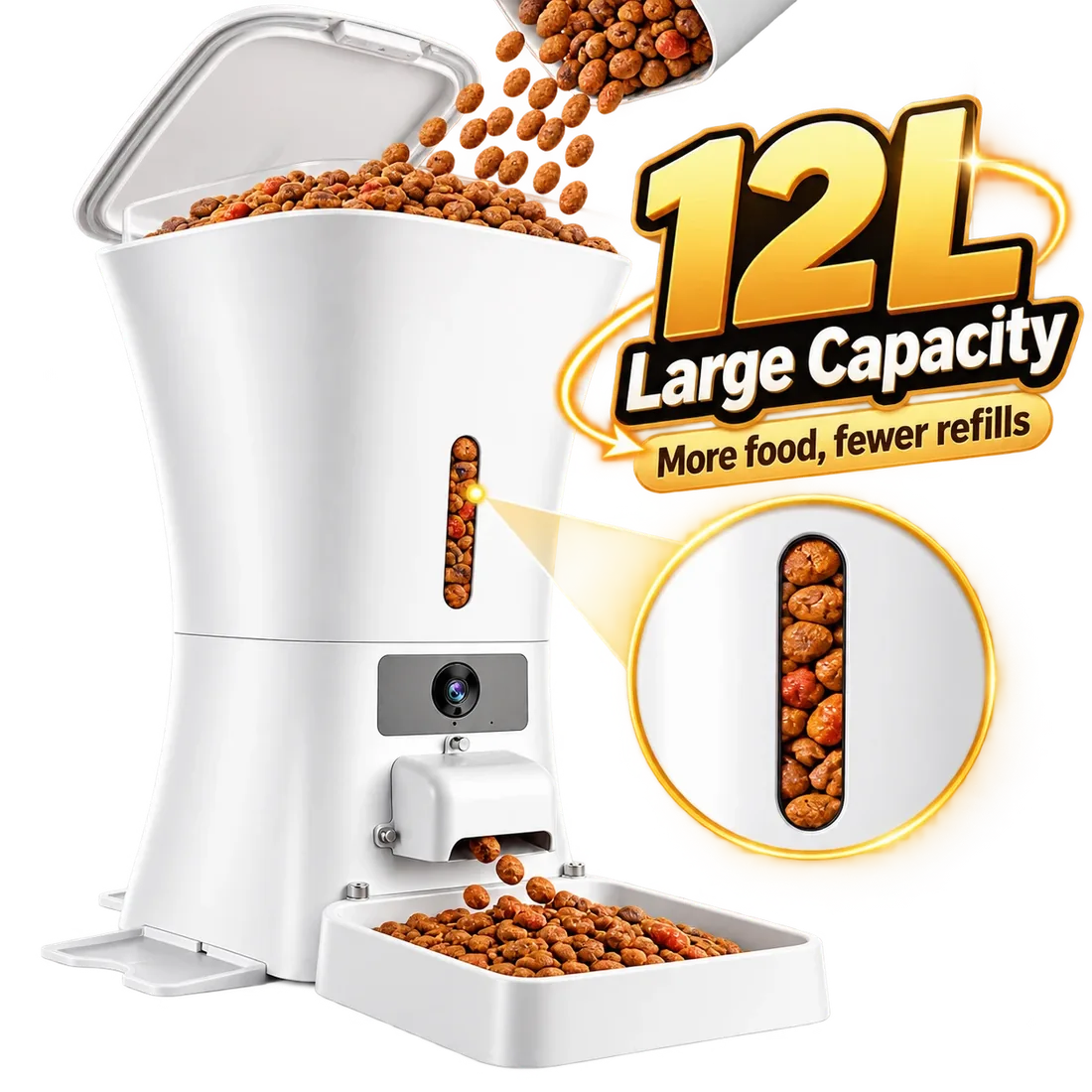
Don’t just top up. Every time you refill, or at least every couple of weeks, let the tank run low, empty what’s left, wash it, and make sure it’s completely dry before adding food. Moisture and kibble don’t mix: damp food can clump and spoil.
- Unplug
Disconnect power and remove batteries if fitted.
- Empty
Remove remaining food; store it sealed if it’s still fresh.
- Wash removable parts
Bowl, lid and tank if detachable, with warm soapy water.
- Wipe the rest
Use a dry or barely damp cloth on the base, never soaking it.
- Dry completely
Let everything air-dry fully before reassembling and refilling.
The chute and dispenser
Crumbs and dust build up where food drops into the bowl. A dry brush or cloth keeps it clear and helps prevent jams. Twin’s anti-jam design helps keep portions flowing, but a quick clean still helps any dispenser.
Keep food fresh between cleans
Fill the tank with what your pet will eat in a week or two, and keep the rest of the bag sealed. Desiccant packs, sealed tanks and covered outlets all help. Our guide to keeping dry food fresh has more tips.
Signs it’s time for a clean
- Kibble smells stale or looks dusty in the tank.
- Portions come out unevenly or the feeder jams.
- A greasy film on the bowl or inside the lid.
- Your pet sniffs the bowl and walks away.
Any of these is a cue to empty, wash and dry everything, then refill with fresh food from a sealed bag.
Which Parveja feeder fits?
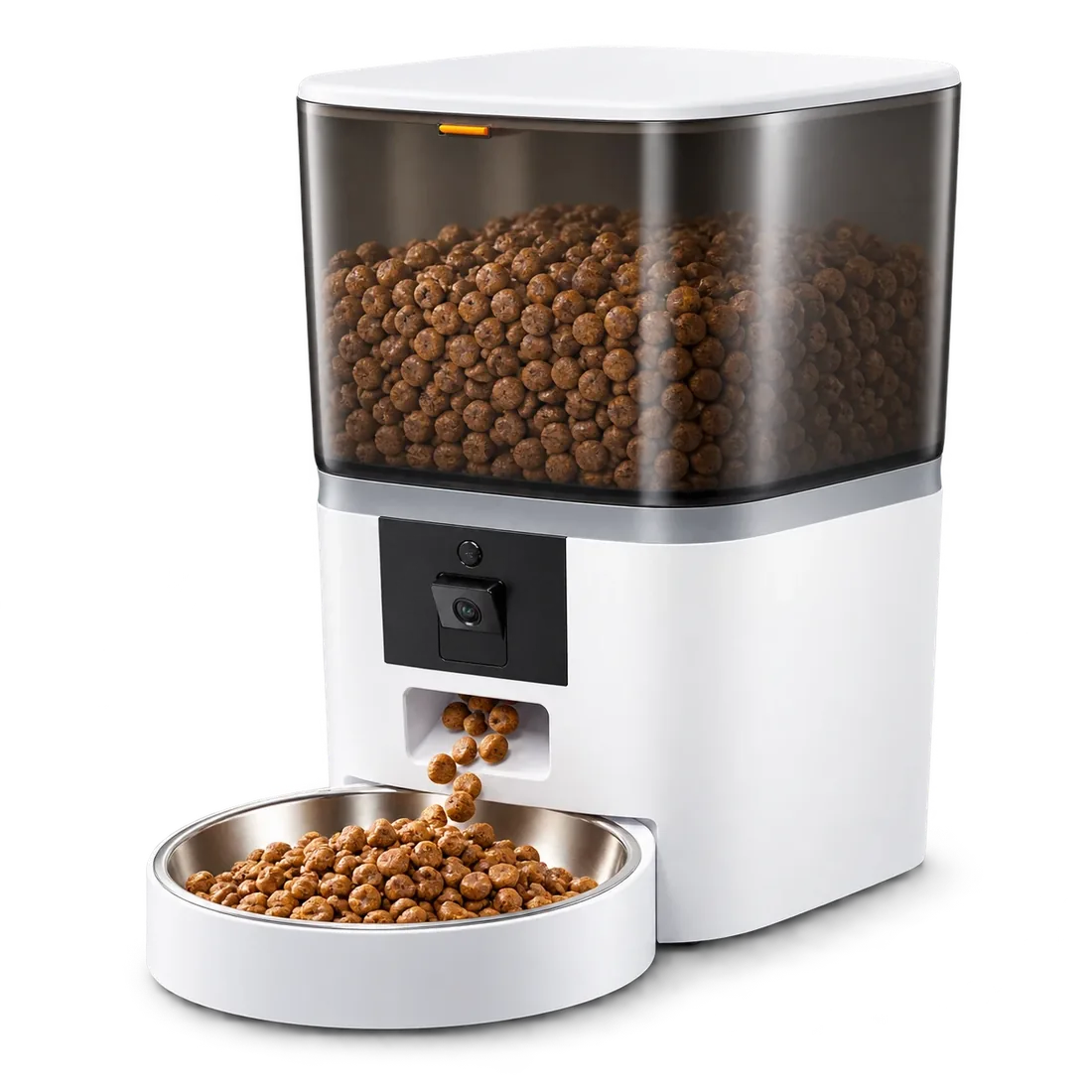 Keeper · 6L · $2796L, up to 15 meals a day, two-way audio, motion alerts and Alexa or Google Home. $279.→
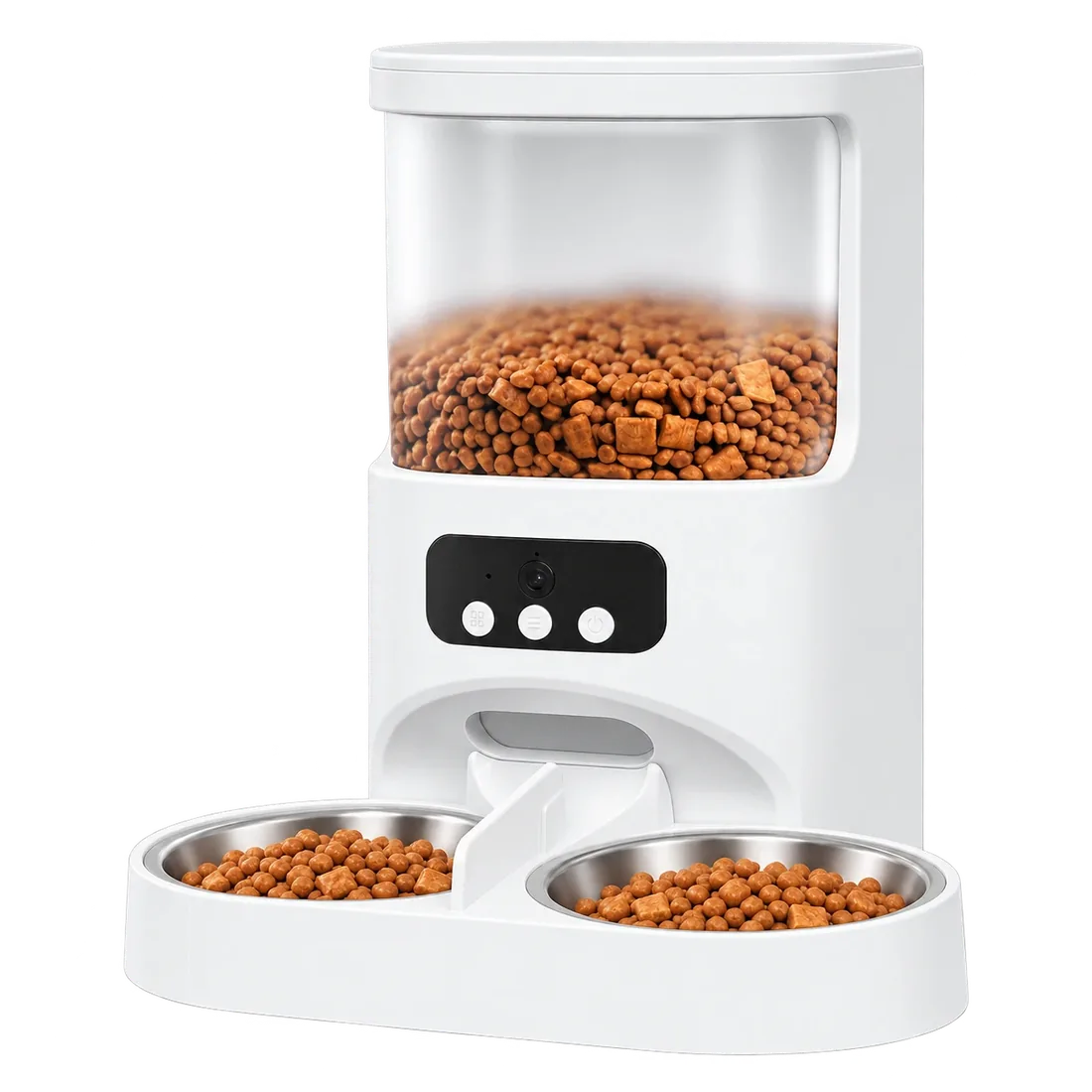 Twin · 4L · $199Two stainless-steel bowls for two cats, up to 8 meals a day and a 1080p night-vision camera. $199.→
Not sure yet? Compare all four feeders side by side.